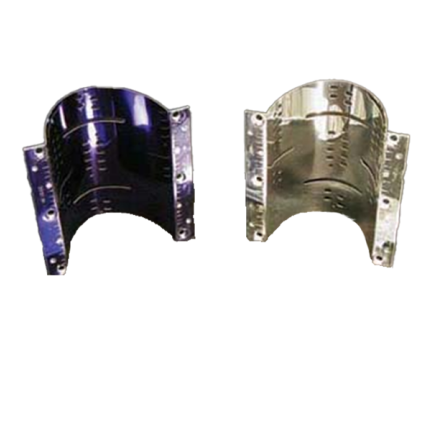
Fusion UV分色反射器
分色反射器能最大限度地减少反射到基材上的热量,因此非常适合用于对热敏感基材的UV固化过程。这款反射器可以轻松安装到现有的Fusion UV微波辐照器中,也可用于新的UV固化系统。了解有关该解决方案的更多信息。
在Fusion UV微波UV固化系统中,分色反射器的尺寸与传统反射器完全相同,但其表面涂覆了50层或更多的介电涂层。这种涂层能够反射UV,但会吸收大部分较长波长的红外线(IR)。随后,IR热量通过空气冷却从反射器表面散发出去。我们提供标准分色和分色增强版这两种类型的反射器。
含汞灯。按照当地、州或联邦的处置法律进行管理。
其他资源
Fusion UV Dichroic Reflectors are specialized optical components used in UV curing systems to enhance the performance and efficiency of the curing process. They are designed to reflect ultraviolet (UV) wavelengths while absorbing much of the visible light and infrared (IR) energy. This selective reflection improves UV curing output while helping to reduce excess heat near the substrate.
By filtering out visible and IR radiation, dichroic reflectors help direct only the usable UV light onto the target surface. This results in higher UV intensity at the cure site and reduces the thermal load on temperature-sensitive substrates like optical fibers, plastics, electronics and specialty coatings. The reduced heat buildup also contributes to greater system stability and more consistent curing across longer runs.
These reflectors are often used in Excelitas’ full elliptical UV curing systems, particularly within the F10T2 light shield assembly, for fiber optic applications. They are also used in Fusion UV microwave-powered UV curing systems such as the F Series and LightHammer Series for UV curing heat sensitive substrates.
Fusion UV Dichroic Reflectors offer several performance and operational benefits in UV curing systems.
- Improved UV Efficiency: Dichroic reflectors concentrate usable curing energy on the target area. This leads to more efficient polymerization of UV-reactive coatings and adhesives.
- Reduced Thermal Load: These reflectors significantly reduce substrate heating. This is critical in processes involving plastic substrates, coated wires, sensitive electronics or thin films that can warp or degrade under thermal stress.
- Longer System Life: By controlling excess heat, dichroic reflectors help protect system components like quartz tubes, reflectors, and light shields. Reduced thermal cycling and cooler operating conditions extend the service life of those parts.
- Consistent Process Results: Stable thermal conditions lead to more uniform UV dose delivery. This reduces variability in cure depth, adhesion, or surface finish, especially in continuous, high-speed manufacturing lines.
- Cleaner Cure Zone: Less heat means fewer vaporized contaminants or coating breakdowns near the lamp and reflector surfaces. This helps maintain optical clarity, reduces the need for frequent cleaning, and minimizes downtime.
Yes. UV curing systems that use dichroic reflectors contribute to lower emissions and cleaner working environments by minimizing the need for heat-intensive curing or solvent-based coatings.
Dichroic reflectors are the exact dimensions of our standard reflectors to fit into all Fusion UV microwave-powered UV curing systems. They require similar cleaning and inspection as the standard reflectors.